CROFTON VILLAGE GARDEN CLUB
  • HOME
  • ABOUT
    • EXECUTIVE BOARD
    • AFFILIATIONS
    • CONTRIBUTIONS
    • AWARDS ARCHIVE >
      • 2024-2025
      • 2023-2024
      • 2019-2020
      • 2018 – 2019
      • 2017 – 2018
      • 2016 – 2017
  • PROGRAMS
  • PROJECTS
    • PAST PROJECTS
  • MEMBERS
    • CALENDAR
    • CVGC BYLAWS
    • BAY-WISE MEMBERS
  • BLOG
  • RESOURCES
  • CONTACT

To promote and preserve the beauty of our community

FOR THE LOVE OF BIRDS

1/3/2024

 
Picture
PROGRAM: For the Love of Birds

Kate Neall, owner of Wild Birds Unlimited located in Gambrills, led an engaging and informative program celebrating our backyard feathered friends. Kate gave us "a bird's eye view" into the habits of common local bird species and shared what draws different birds to specific types of feeders and habitats. She explained the importance of suet—especially during colder months—and the various blends available to support birds through the chill of the season. The program concluded with a fun, Julia Child–inspired workshop where members created a homemade suet treat to take home for their own backyard visitors.
Wild Birds Unlimited • All Seasons Bird Feeding Hobby Guide

THE BROWN-HEADED COWBIRD

5/10/2023

 
Picture
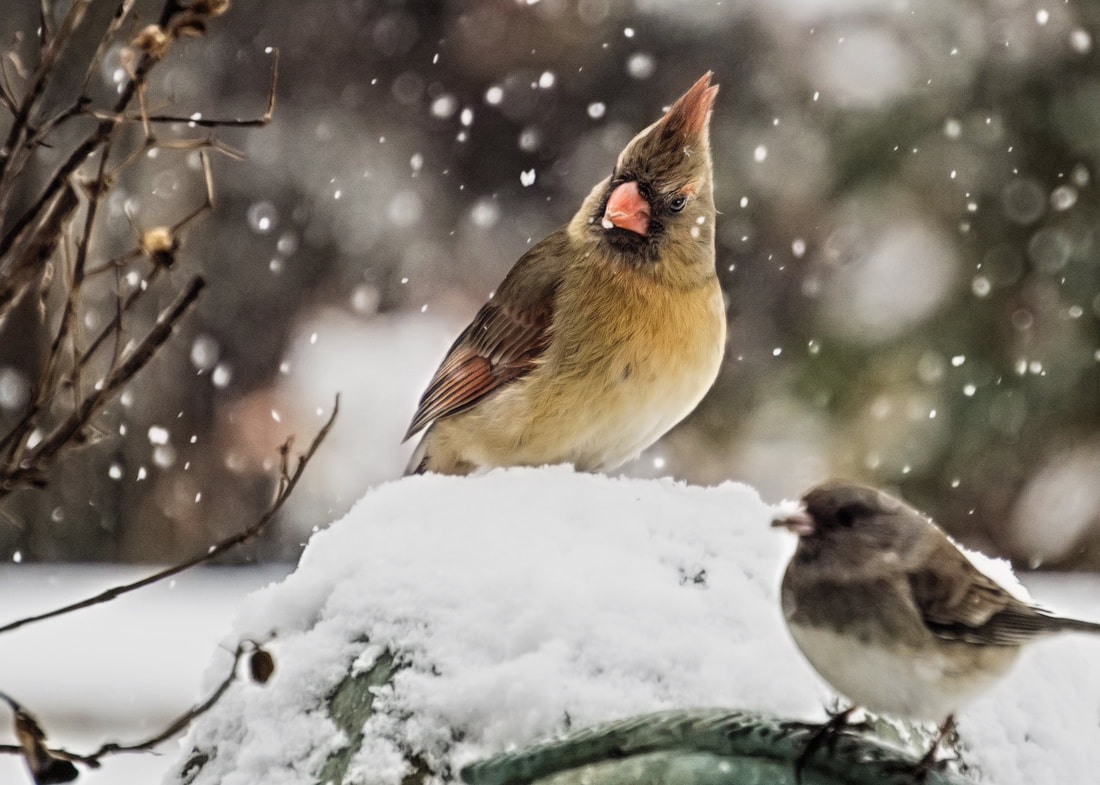
At our May meeting, member Paulette Heward shared an interesting story about a cowbird that laid an egg in her bluebird house, offering a firsthand look at this bird’s unusual behavior. Cowbirds earned their name from their habit of following herds of buffalo and cattle, feeding on the insects stirred up by the moving animals. Because their food source is always on the move, cowbirds don’t have time to build nests of their own. Instead, they lay their eggs in the nests of other songbirds—a behavior known as brood parasitism. In the spring, a female cowbird will perch in a tree and watch for other birds carrying nesting materials. Once she spots a potential host, she quietly sneaks in and lays a single egg, usually after the host bird has already laid its first egg. Her job done, she moves on to find another nest, potentially laying up to forty eggs in different nests over a single season. While cowbirds are often seen as parasitic, their fascinating reproductive strategy is a unique adaptation to their nomadic lifestyle.

ALL ABOUT BLUEBIRDS

5/4/2022

 
Picture
PROGRAM: All About Bluebirds

The eastern bluebird is the most widespread of the three bluebirds. Although it is mostly "eastern" in our area, its total range extends south to Nicaragua. A high percentage of eastern bluebirds in North America today nest in birdhouses put up for them along bluebird trails. When they are not nesting, these birds roam the countryside in small flocks.

Nancy Percivall, Committee Chair for Horticulture, talked about the Environmental Trail Project at Generals Highway Park – a 2015 youth project led by Girl Scout Gold Award candidate, Alex Hunt.

Members met at Generals Highway Corridor Park located at 1758 Crownsville Road, Crownsville. Pat and Juanita Tate, members of the Anne Arundel Bird Club, led us on a walking tour of the bluebird trail and let us take a glimpse into their nesting habits. 
Scroll over the image above and use the play button or arrow buttons located at the top of the photo to view images.

​For more information on the eastern bluebird, click the button below.
ALLABOUTBIRDS.ORG • CORNELL LAB OF ORNITHOLOGY • EASTERN BLUEBIRD

PROVIDE WATER FOR BIRDS IN THE SUMMER

7/14/2021

 
Picture
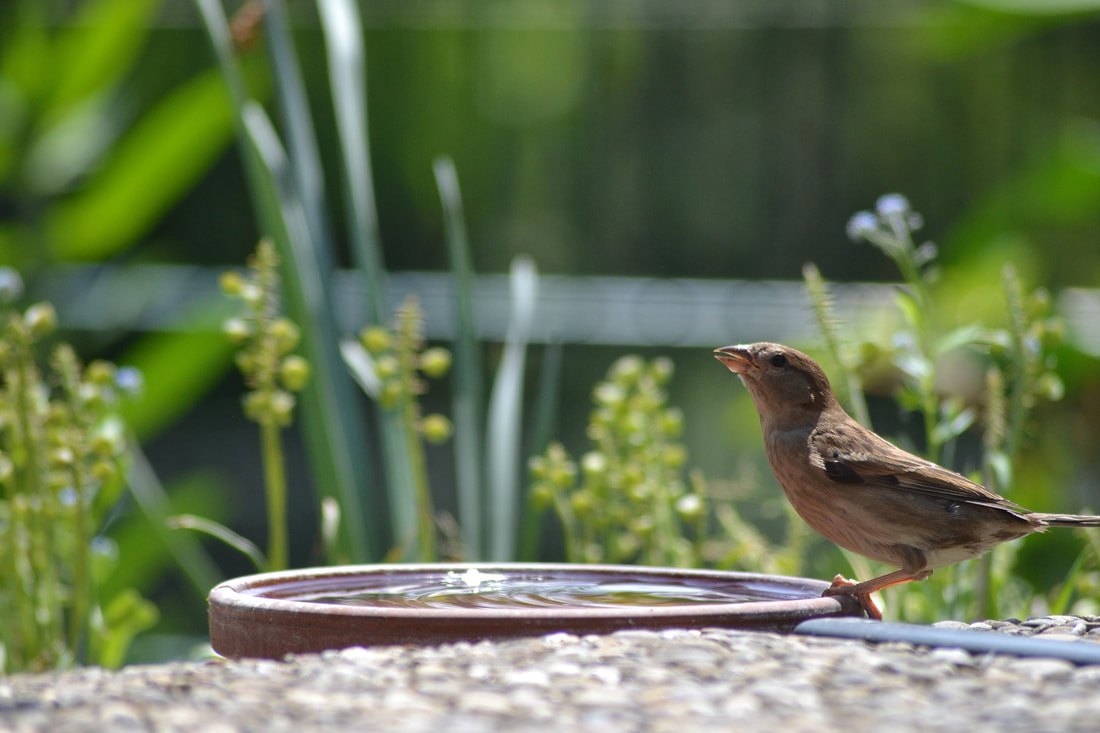
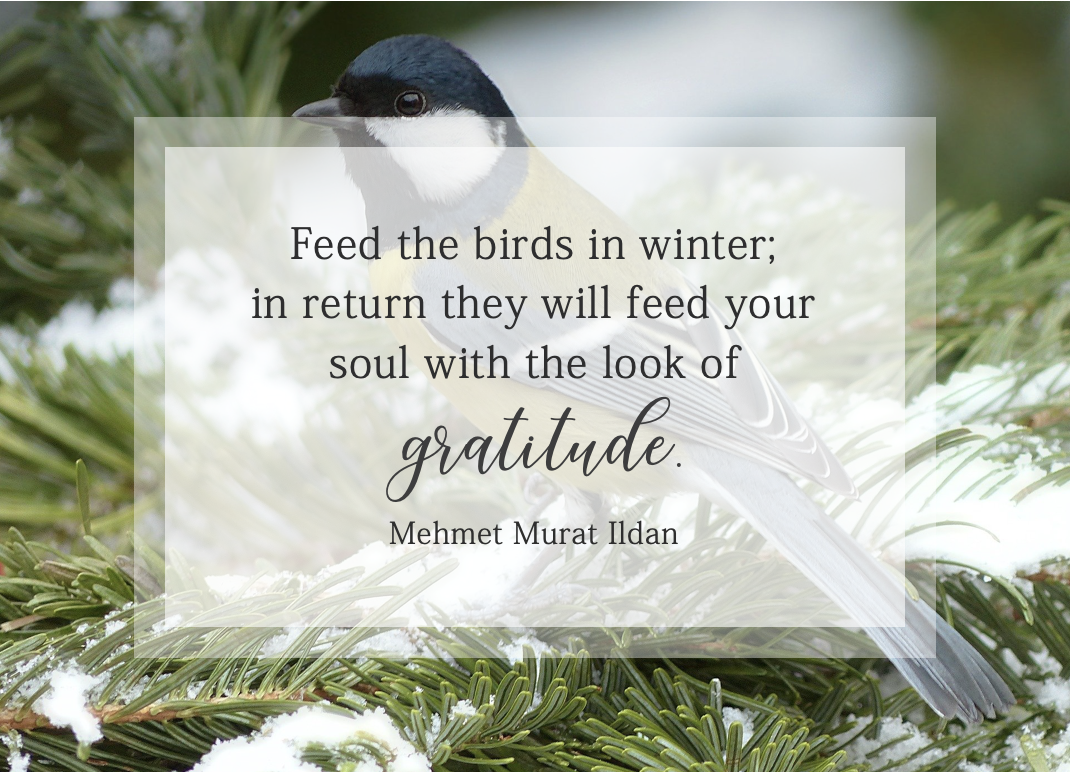
Birds need water to survive. Even though birds do not have sweat glands they still lose water in their droppings and through their skin due to evaporation, especially during the hot days of summer. Keeping their feathers clean and in good condition is a priority and bathing helps them achieve that.

There are several ways to provide water to help keep backyard birds clean and hydrated. A bird bath or planter drainage tray; a small garden pond; a bird waterer which typically hangs from a hook like a feeder but dispenses water; a bird mister; or a moving water feature such as a fountain or wiggler – birds are attracted to moving water.

Keeping the water clean is very important, not just for the birds but for everyone. Bird bath water can get dirty fast and stagnant water makes for a great mosquito breeding ground. 
THE MIGHTIEST MIDGETS – HUMMINGBIRDS

2/12/2020

 
Picture
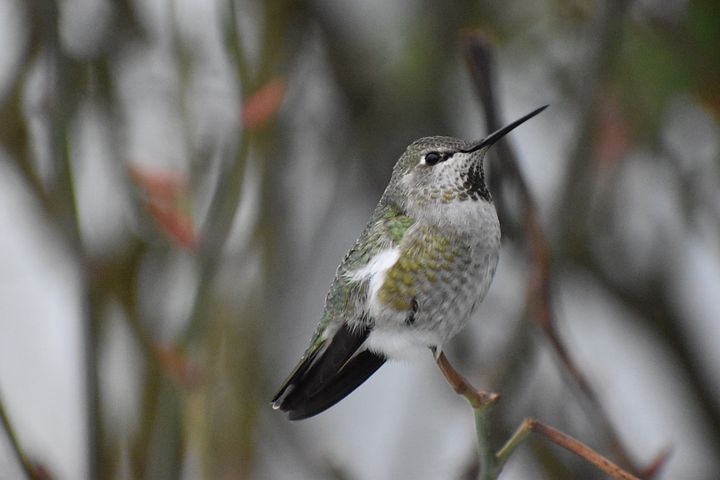
At our February meeting, Claudia West, Birds & Butterflies Committee Chair, presented an informative talk titled The Mightiest Midgets – Hummingbirds, highlighting the fascinating traits of these tiny yet mighty creatures. Below are some intriguing facts about hummingbirds that Claudia shared:

The name "hummingbird" comes from the distinct humming sound their wings make, as their wings can beat up to 200 times per second. There are over 330 species of hummingbirds across North and South America. Hummingbirds are incredibly small, with some species measuring as tiny as two inches long and weighing slightly less than a nickel. Their legs are so small that they are only useful for perching—they cannot walk or hop. While resting, the average hummingbird takes about 150 breaths per minute, a reflection of their high metabolism. Hummingbirds are unique among birds in that they are the only species capable of flying backward. Their wings move in a figure-eight pattern, which gives them exceptional maneuverability. They can fly as fast as 30 mph and even reach speeds of up to 60 mph when diving. With heart rates reaching over 1,200 beats per minute, hummingbirds have one of the fastest heartbeats of any animal, far outpacing the typical human heart rate of 60 to 100 beats per minute. As the smallest migrating birds, hummingbirds make solo journeys of up to 500 miles at a time. Their migration patterns are remarkable, given their small size. Although their size makes them seem gentle, hummingbirds are quite territorial. They fiercely defend their food sources, including flowers and feeders, often spending a great deal of time chasing other birds away. Hummingbirds have long tongues, which act as tiny pumps that allow them to suck up the nectar from flowers and feeders. They consume up to double their body weight in a single day. When flowers are scarce, hummingbirds will eat tree sap and small insects to supplement their diet. Hummingbird nests are incredibly small, about the size of a half-dollar coin. It takes the female about five to seven days to construct a nest using materials like lichen, moss, and spiderwebs. Female hummingbirds typically lay just two eggs in their nests, and these eggs are about the size of a garden pea.
​
Claudia's presentation left us all in awe of the incredible abilities and adaptations of hummingbirds. Their remarkable features and behaviors remind us of the complexity of the natural world and the need to protect these tiny marvels of nature.
<<Previous
Forward>>
    Picture

    CATEGORIES

    All
    Awards
    Bay-Wise
    Birds & Butterflies
    Bluebird Trail
    Blue Star Memorial Garden
    Community
    Conservation
    Crofton Cherry Trees
    Crofton Library Gardens
    Design Exhibits
    District II
    DIY
    Events/Workshops
    FGCMD
    Flower Shows
    Fundraising
    Garden Therapy
    Garden Tour
    Giving Flowers
    Gold Star Memorial
    Holiday Decorating
    Honoring Our Veterans
    Horticulture
    Invasives
    Memorial Garden
    Native Garden
    Past Projects
    Peace Circle Garden
    Pollinator Garden
    Pollinator Pathway
    Programs
    Projects
    Sustainable Gardening
    Swann Park
    Youth Projects

​CROFTON VILLAGE GARDEN CLUB • P.O. BOX 3492 • ​CROFTON, MD 21114

  • HOME
  • ABOUT
    • EXECUTIVE BOARD
    • AFFILIATIONS
    • CONTRIBUTIONS
    • AWARDS ARCHIVE >
      • 2024-2025
      • 2023-2024
      • 2019-2020
      • 2018 – 2019
      • 2017 – 2018
      • 2016 – 2017
  • PROGRAMS
  • PROJECTS
    • PAST PROJECTS
  • MEMBERS
    • CALENDAR
    • CVGC BYLAWS
    • BAY-WISE MEMBERS
  • BLOG
  • RESOURCES
  • CONTACT